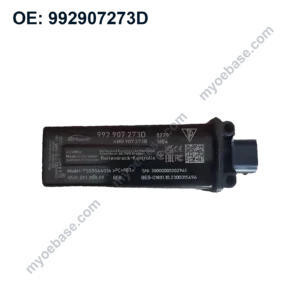
What it does
The VW Golf MK7 Parking Assist Retrofit Kit is the genuine OEM parking assist retrofit kit listed here for VW Golf MK7. Below you will find what it does, what is included, and what to check before you order.
Parking Assist Retrofit Kit — Adds the factory parking assistance package to a Golf MK7: front and rear Park Distance Control, automatic parking (Park Assist) and the original parking menu on the radio or instrument display. Everything is original equipment specification — no generic aftermarket beeping boxes.
What’s included
- PLA 3.0 parking assist control module
- Front and rear PDC sensors (count matched to your bumper)
- Wiring harness and vehicle-specific installation guide
- Coding instructions for activation
Fitment
VW Golf MK7 / 7.5 (MQB) 2013–2020. Send your VIN to confirm sensor count and module part number.
| Make | Model | Years | Fitment note |
|---|---|---|---|
| Volkswagen | Golf Mk7 (5G) | 2012 – 2017 | MQB |
| Volkswagen | Golf Mk7.5 (5G) | 2017 – 2020 | MQB |
Notes
Requires coding (VCDS, ODIS or VAS) after installation. We supply the parameter settings. 12-month warranty.
PLA versions and what changes between them
Park assist has moved through several generations: PLA 1.0 parks in parallel spaces with the driver controlling the pedals, PLA 2.0 adds bay parking, PLA 3.0 adds automatic pull-out and, on the latest cars, manoeuvring memory. Each generation needs more sensors and a different module, so “upgrading PLA” usually means changing the module and adding the sensors it expects, not just recoding the old one.
Sensors, wiring and coding
The ultrasonic sensors are the same part across the range, but the number and position change with the function: 8 sensors for basic park assist, 12 for a full 360 view. The bumpers on cars without park assist often have the mounting marks moulded in but not cut out, so fitting the sensors means drilling the bumper accurately. Coding tells the car how many sensors exist and where — get that wrong and the system reports a fault on sensors that are working perfectly.
After the retrofit
Clear the fault memory, then let the car learn the sensor positions during a slow drive. Test in an empty car park before trusting it: the system should detect a space at walking pace and take over the steering smoothly. If it aborts halfway through a manoeuvre, the usual cause is one sensor reading a fixed distance — mud, paint or a damaged membrane.
Why the index after the part number decides fitment
Volkswagen Group part numbers end in an index letter, and that letter is not cosmetic: it marks a revision. A B revision replaces an A, a C replaces a B, and sometimes a later index will not work in an earlier car because the software or the connector changed at the same time. When a listing shows two numbers separated by a slash, both fit the applications in the table; when it shows one, that is the number we ship. If your old part carries an index we do not list, send us a photo of the label — the number on the part always beats the number in a catalogue.
Ordering more than one
Workshops and resellers order in sets: two of a sensor, four of a camera, a matched pair of modules. We ship from stock and combine postage where the parts are in the same warehouse, and we can quote wholesale pricing for repeat orders. Tell us the quantities and the destination country when you ask, so the shipping figure you get is the real one rather than an estimate.
Fitment check before ordering
Volkswagen Group builds the same looking part in several versions, and the differences are in the number stamped on the housing rather than in the shape. Before you order, compare the number on your old unit with the one in the title — a module that is physically identical but one index out will often fit and power up, then refuse to communicate or code. If you cannot read the old number, send us the VIN and a photo of the connector side and we will identify it for you.
What to expect on delivery
Every unit is checked and photographed before dispatch, packed with foam and shipped with tracking. Electronic parts are tested on a bench where the test is possible without the donor car; where it is not, we say so in the listing rather than promise a test we cannot perform. Keep the packaging until the part is fitted and working.
Shipping, customs and delivery times
Orders leave within one to two working days once payment clears. We ship worldwide with tracking, and the tracking number reaches you by email as soon as the parcel is handed to the carrier. Delivery time depends on the destination and the service chosen — a few days inside Europe, one to three weeks elsewhere — and customs charges, where they apply, are the buyer’s responsibility. If you need a part by a specific date, tell us before ordering and we will confirm what is achievable rather than promise a date we cannot hold.
Returns and warranty claims
If a part arrives damaged, photograph the packaging before opening it fully and contact us the same day. If a part fails inside the twelve-month warranty, send us the fault description and a scan report where you have one — most electronic failures can be diagnosed from the fault memory without returning anything. Parts that have been coded, modified, opened or damaged by incorrect fitting fall outside the warranty, which is why we ask you to read the fitting notes first.
Checking a module before you fit it
Before you install anything, photograph the label on the part you are removing and compare every character with the number in the listing. Plug the new module in, read the fault memory, and only then start coding — if something is wrong, an uncoded module is easy to return and a coded one is not. Keep the original part until the replacement is working; once the car is back together it is the only reference you have.
After fitting
Most electronic modules in this catalogue need coding, adaptation or component protection removal before they work in your car. That work is a paid service quoted separately — we can do it remotely if you have a laptop, a compatible interface and a stable internet connection, or talk your workshop through it. Fitting the part and expecting it to work without coding is the single most common reason a retrofit appears to have failed.